HSE Inspector Visit on a Construction Site: What Happens

The short answer
Be polite, walk round with the inspector and stop anything they tell you to stop. Advice is free. A written notice of a material breach means Fee for Intervention at £188 an hour. An improvement notice gives you at least 21 days to fix; a prohibition notice means stop now.
- Inspectors can arrive without warning. They look round, ask for documents, take photos and talk to your workers.
- Advice is free; a written breach costs money. Fee for Intervention is £188 an hour for the whole visit and follow-up.
- Notices: an improvement notice gives at least 21 days to fix; a prohibition notice means stop now.
- Most small-site failures are basics: working at height, welfare, dust and asbestos, and a missing construction phase plan.
A car pulls up outside your site. Someone in a hard hat shows an ID card at the gate and says they're from the Health and Safety Executive. Your lads are on the scaffold, the welfare cabin is a portaloo round the back, and the construction phase plan is "somewhere in the van".
Page one of Google for this is mostly safety consultants and software firms selling to you. This guide tells you plainly what happens on an HSE inspector visit to a construction site, what it costs, and what to fix this week. If you want help getting your site systems ready, book a free strategy call.
This is general information from a contractor's experience, not legal advice. For your situation, speak to a solicitor or a qualified health and safety adviser.
If the inspector is on site right now
HSE inspectors can arrive without warning. The law lets them visit at any reasonable time. Do this:
- Be polite and walk round with them. Ask for their name and their manager's name. You're entitled to both.
- Stop anything they tell you to stop. Do it straight away. Arguing about a dangerous activity in front of the crew makes everything worse.
- Take notes and your own photos of whatever they photograph.
- Hand over documents they ask for: construction phase plan, risk assessments, method statements, scaffold inspection records, training cards.
- Let them talk to your workers. They will. Don't coach anyone.
- Don't guess or make promises you can't keep. "I'll find out and come back to you by [time]" is fine.
What they look at on a small site
The inspector looks at how you keep your workers, and anyone affected by your work, healthy and safe. On small domestic and refurbishment sites, these come up most:
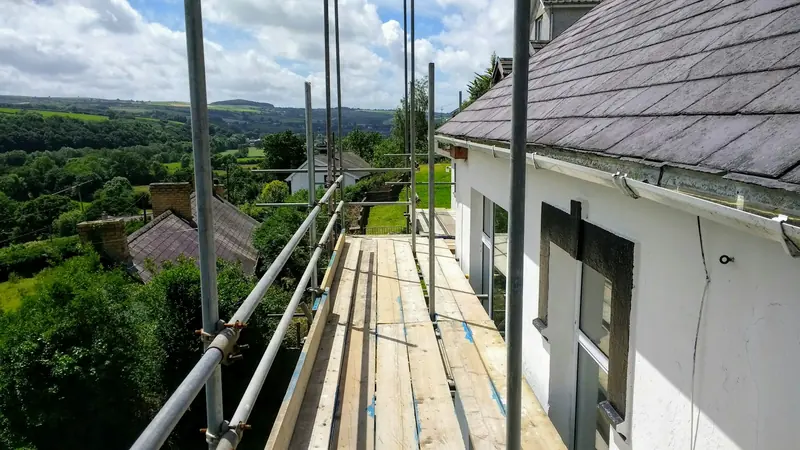
- Working at height: scaffold complete with guard rails and toe boards, inspected and tagged; ladders used for short jobs only; edges and openings protected.
- Welfare: toilets, washing with hot and cold water, drinking water, somewhere to change and store clothes, and somewhere to rest and eat.
- Dust: cutting and sanding controlled with water or extraction, and the right masks worn.
- Asbestos: it can be in any building built before 2000. You need to know before you start stripping out.
- Site security: the public kept out, edges fenced where the risk calls for it, the site kept tidy.
- Paperwork: a construction phase plan for every job, before the site is set up. On a domestic job the client's duties usually pass to you as the contractor.
Bigger jobs must also be notified to HSE on form F10. That applies if the work lasts more than 30 working days with more than 20 workers on site at once. It also applies to work of more than 500 person days in total.
Firefighting the same problems every week? Take the free 4-minute Construction Business Scorecard: 18 questions on your pipeline, sales, pricing, cash flow and systems, with your weakest area shown first.

What happens next: the five outcomes
| Outcome | What it means | Cost and deadline |
|---|---|---|
| Advice | Verbal or written suggestions to improve | Free |
| Notification of contravention | A letter saying you're in material breach and what to do | Fee for Intervention at £188 an hour |
| Improvement notice | What's wrong, what to change and by when | At least 21 days to comply; appeal within 21 days |
| Prohibition notice | Stop an activity until it's made safe | Applies now (or from a set date); appeal doesn't pause it |
| Prosecution | For a breach or ignoring a notice | Fines or, in some cases, prison |
Improvement and prohibition notices are published on HSE's website. Clients and main contractors can look you up.
Treating an improvement notice as a suggestion. Not complying by the deadline is a criminal offence. So is carrying on with work under a prohibition notice.
What Fee for Intervention costs
If the inspector finds a material breach (something serious enough that they have to write to you about it), you pay for HSE's time. The rate is £188 an hour.
It covers the whole original visit, plus time spent on reports, specialist advice and talking to you or your workers afterwards.
| Example | Hours | Cost |
|---|---|---|
| Short visit, one breach, letter | 3 | £564 |
| Visit, report and follow-up | 6 | £1,128 |
| Visit, specialist advice, revisit | 12 | £2,256 |
Example figures at £188 an hour. The actual hours depend on the case.
- Invoices usually go out in January, March, May, July, September and November. You must pay within 30 days.
- Querying an invoice is free. If you don't accept the answer, you can dispute it in writing; an independent panel decides.
Had a visit, or worried about one?
Book a free call and we'll look at your site systems and paperwork with you.
After the visit: the 24-hour and 7-day plan
| When | Do this |
|---|---|
| Same day | Make safe anything raised. Brief the crew. Write down what the inspector said |
| 24 hours | Reply to any letter: thank them, list each point and your action with a date |
| Days 2–6 | Fix each item. Photograph before and after. Update the construction phase plan and risk assessments |
| Day 7 | Send the inspector your evidence and tell them it's done |
| Notice received | Diarise the deadline. Disagree? Appeal to an employment tribunal within 21 days of it being served |
If you think the inspector got something wrong, speak to them or their manager first. HSE asks you to do that before any formal challenge.
Want someone who runs sites to check your plan before you reply? Book a free strategy call.
The 15-minute site-ready check
Run this every Monday morning on every site. It's the same ground the inspector covers.
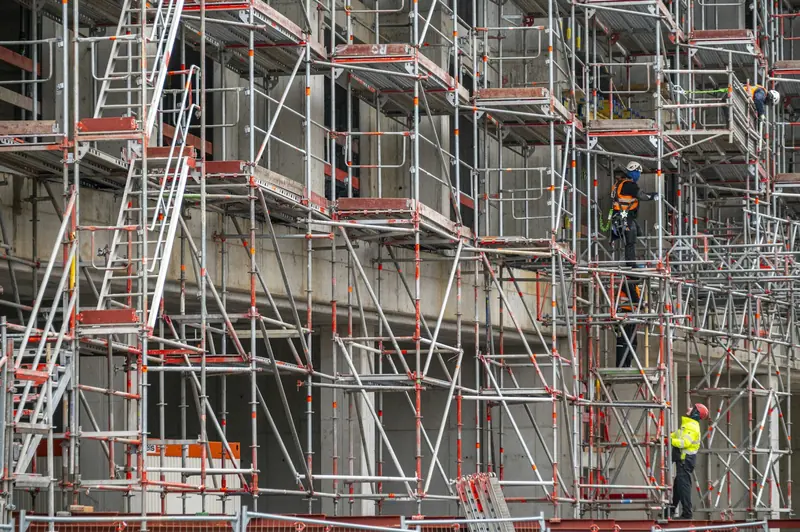
- Scaffold: complete, tagged, inspection in date; ladders tied and footed.
- Welfare: toilet, hot and cold water, soap, drinking water, a dry place to eat.
- Dust and asbestos: asbestos survey for pre-2000 strip-outs; water or extraction on every cutting tool.
- Site: fenced or locked, no trip hazards, materials stacked, no protruding nails.
- Paperwork in the cabin, not the van: construction phase plan, RAMS, inductions, training cards.
Accreditation is the same work. The documents a CHAS or SafeContractor assessor asks for are the ones that make an inspection routine. Craftex holds CHAS, SafeContractor and ISO 9001, 14001 and 45001, and we set up the same system for clients through our accreditation service. Not sure which scheme you need? Read CHAS vs Constructionline vs SafeContractor.
Want site systems that pass an inspection and win you bigger clients?
Book a free strategy call.
Before the next visit
This is general information from a contractor's experience, not legal advice. For a notice, an appeal or a prosecution, speak to a solicitor.
Before you go
- Every site has a construction phase plan before it's set up
- Scaffold inspections and training cards are in date and on site
- Welfare is in place from day one
- You know whether the building was built before 2000 and checked for asbestos
- Someone runs the 15-minute check every Monday