Subcontractor Walked Off the Job? Your First 24 Hours

The short answer
Secure the site, confirm in writing, record the work and tell the client before they find out. Then replace the sub and deduct the right way, never by just stopping payment.
- Hour 1: secure the site. Keys, materials, tools and open services: the site stays safe whoever left.
- Hours 2 to 6: confirm in writing and record everything. Dated photos, a measure of work done and what's been paid.
- Tell the client before they notice. A short call with the plan and a new date keeps the job.
- Deduct properly. A pay less notice on time is how you hold money back for finishing their work.
It's 8 am, the client's kitchen is half first-fixed and your sub isn't answering. By 10 his van is gone from the street and the WhatsApp is on read. The client will be home at six.
Your subcontractor walked off the job. Every guide on page one of Google is written for the homeowner. This one is for the builder who hired the sub and now has to hold the job together. Craftex runs subcontract packages as a main contractor, so this is the sequence we use. If it keeps happening, book a free strategy call.
This is general information from a contractor's experience, not legal advice. For your situation, speak to a construction solicitor.
Hour 1: secure the site
Whoever walked off, the site is still your responsibility. It has to be kept in good order, with the edges marked or fenced where the risk calls for it.
- Make safe: isolate open electrics, cap water, cover open floors and stairwells.
- Lock up: change codes or collect keys; check who else has access.
- Count materials: what's on site, what's been delivered, what's paid for.
- Leave their tools where they are. Photograph them. Moving or binning someone else's kit starts a second dispute.
Hours 1 to 2: confirm in writing
Call once. Then send a short, calm message the same morning. You want a dated record and, if possible, an answer.
"Hi [name], you weren't on site at [address] today and I couldn't reach you by phone. Can you confirm by [time] tomorrow whether you're coming back and when? If I don't hear from you I'll need to arrange cover to keep the job on programme. [Your name]"
People do get ill, and family emergencies happen. A sub who's off for two days is a different problem from one who has left. The message lets you tell which it is.
Firing off an angry message in the first hour. If they come back, you've lost a good sub. If they don't, an adjudicator will read it.
Problems like this usually trace back to cash and contracts. The free 4-minute Construction Business Scorecard shows your weakest area first. Want someone to run valuations, variations and final accounts for you? See our commercial management service.
Hours 3 to 6: measure and photograph the work
Before anyone else touches their work, record exactly where it stands. This is what you'll value their account on, and what the replacement prices from.
| Record | How | Why |
|---|---|---|
| Work done | Dated photos of every room or area, plus a measure against the package scope | Values what you owe them, and what's left |
| Defects | Photos and a list, room by room | Cost of putting it right comes off their account |
| Materials on site | Count, photo, delivery notes | Who owns what, and what you still need to order |
| Money | What you've paid, what's been applied for | Their running account |

Hours 6 to 12: tell the client before they notice
Clients forgive problems. They don't forgive finding out from an empty site. Call them, then send the same in writing.
| Step | What you say |
|---|---|
| What happened | "Our [trade] subcontractor hasn't returned to site today. We're dealing with it." |
| What you've done | "The site is safe and secure, and we've recorded where the work is." |
| The plan | "A replacement [trade] will be on site by [day]. I'll confirm tomorrow." |
| The impact | "We expect [no change / a delay of x days] to completion. There is no extra cost to you." |
| Next update | "I'll update you on [day] at [time]." |
The subcontractor is your problem, not the client's. Your contract with the client usually doesn't change because a sub left.
A sub just left one of your jobs?
Book a free call and we'll work through the next steps with you.
Hours 12 to 24: call your bench
Ring the other subs you trust in that trade. Send each the scope, your photos and the measure, and ask for a price to finish and a start date. No one on your bench yet? Use our checklist on how to find reliable subcontractors and vet them.
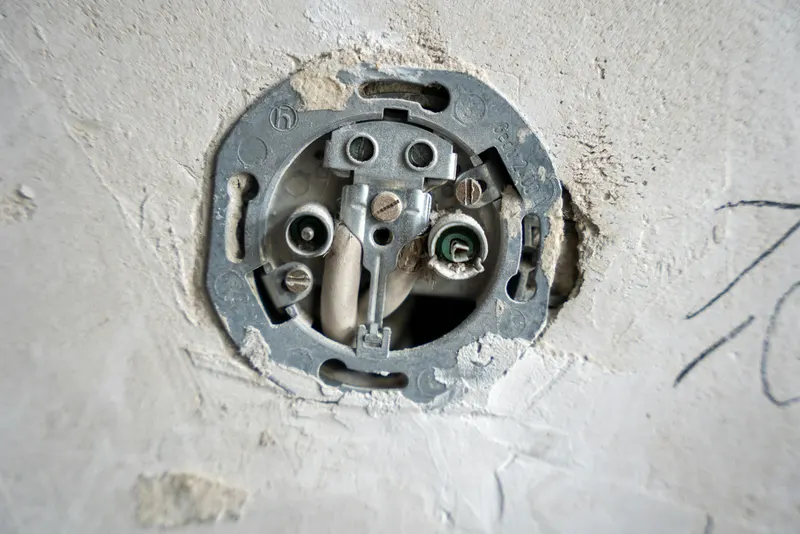
- Electrician left? In England, notifiable electrical work in homes is signed off by an electrician registered with a competent person scheme, or through building control. A new electrician may not certify work they didn't do. Budget for testing and maybe opening up.
- Plumber or gas engineer left? Have the replacement check and test the existing work before they build on it.
- Plasterer or dryliner left? Check boards, beads and backgrounds before the replacement skims over someone else's problem.
Days 2 to 7: notices, payment and money back
Now deal with the subcontract itself. Do it in writing, in the order your contract sets out.
- Follow your notice clause: usually a written notice of default, a short period to put it right, then termination. Without a written subcontract, take advice before you terminate.
- Value their account from your measure: work done, minus defects, minus what you've paid.
- Hold money back the right way. If they send an application, you still have to answer it on time. To pay less than they claim, send a valid pay less notice before the deadline. State the sum and how you got it, including the extra cost of finishing their package.
- CIS still applies to anything you do pay them: make the deductions as normal.
- Keep every receipt for the replacement's work. That difference is what you recover.
So it doesn't happen on the next job
One sub walking off shouldn't stop a job. If it can, the problem is the system, not the sub. This is what our Systems Blueprint covers. If it was your own employee who didn't turn up, see employee not turning up to work.
- Written subcontract for every package: scope, programme, payment dates, notice to remedy, termination.
- Pay against measured work, never ahead of it. Staged payments keep both sides honest.
- A bench of 3 per trade: subs you've used, priced with and trust. Keep them warm with small jobs. The full system is in how to manage subcontractors.
- Weekly site check-in with each sub: progress, problems, money. Most walk-offs start as an unpaid invoice or a row nobody dealt with. If a sub is late rather than gone, read subcontractor delays costing you money.
Growing past the point where you can stand on every site? Our guide to scaling a construction business covers the management layer that makes it work. Or book a free strategy call and we'll plan it with you.

The Systems Blueprint for UK Builders
The systems that keep jobs running when people let you down: subcontractor control, programmes and site reporting.
Get the free guideWant jobs that keep running when someone lets you down?
Book a free strategy call.
Before your next subcontract starts
This is general information from a contractor's experience, not legal advice. For a termination or a large disputed account, speak to a construction solicitor.
Before you go
- Every package has a written subcontract with notice and termination steps
- You pay against measured work, not ahead of it
- You have at least 3 trusted subs for each trade you use
- Your site records (photos, measures, payments) are up to date every week
- Your client hears about problems from you, first