How to Get Commercial Joinery Contracts in the UK

The short answer
Commercial joinery comes in three kinds: site carpentry packages, workshop-made fit-out joinery and fire doors. Pick the one that matches your team, show buyers the competence they check (cards, fire door installation, certified timber), price drawings and site time separately, and get paid for materials before you cut them.
- Three markets, three skill sets. Site carpentry, workshop fit-out joinery and fire doors. Don't sell all three at once.
- Fire doors are a growing, regulated market. In residential buildings with storeys over 11 metres, communal fire doors are checked quarterly and flat entrance doors yearly, since 23 January 2023.
- Install doorsets as tested, and use certified timber. Installer certification proves fire door competence; FSC, PEFC or Grown in Britain timber is what public buyers want.
- Shop drawings are billable time. Price drawing, workshop and site hours as separate lines, and agree payment for materials before you order them.
Most carpentry and joinery firms are busy, yet few get commercial joinery contracts. The problem is the kind of busy. Kitchens, wardrobes and one-off doors for homeowners are each sold from scratch. Each comes with a client who changes their mind after the timber is cut.
Commercial work gives a joinery business repeat clients and bigger orders. But "commercial joinery" covers three very different businesses, and the firms that struggle are usually trying to be all three.
This guide is for owners of UK carpentry and joinery companies, from small site teams to firms with their own workshop. If you want help picking your market, book a free strategy call.
The three commercial joinery markets
| Market | Who buys | Typical work | What you need |
|---|---|---|---|
| Site carpentry packages | Main contractors, housebuilders | First fix studwork, door hanging, skirting and architrave, ironmongery, kitchens on new builds | Carded carpenters, speed, labour you can supply |
| Fit-out joinery | Main contractors, fit-out firms, shop and restaurant owners, designers | Reception desks, wall panelling, shop fittings, bar counters, bespoke storage | A workshop, shop drawings, finishing, installation teams |
| Fire doors | Main contractors, housing associations, block managers, FM companies | Doorset installation, inspections, remedial work, replacements | Installation competence you can prove, inspection reporting |
A small site team should start with site carpentry. A firm with a workshop and a good drawing process has the most to gain from fit-out joinery. Fire doors suit firms that like process and paperwork.
What commercial buyers check
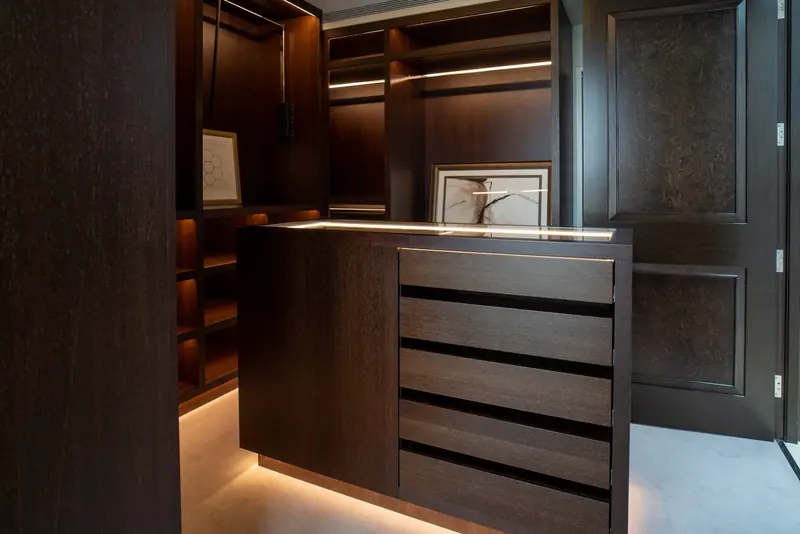
Your portfolio is your sales team. One page per project: a photo of the finished piece, what it was, who it was for and how long it took. Main contractors and designers judge joinery firms almost entirely on finished work.
- CSCS cards for site carpenters. A skilled card needs an NVQ Level 2. Industry Accreditation cards expired by 31 December 2024, so long-serving carpenters without the NVQ need to get one.
- A portfolio of finished commercial work. Photos of completed projects with the client type and size. For fit-out joinery, buyers want to see finish quality and complexity.
- Shop drawing capability. Fit-out buyers expect drawings for approval before you make anything.
- Insurance. Public and employer's liability, product liability for workshop-made items, and professional indemnity if you design.
- Certifications when the job asks for them: fire door installer certification, FSC or PEFC chain of custody, SSIP. See which accreditations you need for commercial work.
Fire doors: a market created by regulation
Fire doors are one of the few areas of joinery where demand is set by law. The Fire Safety (England) Regulations 2022 have applied since 23 January 2023. The responsible person for a residential building with storeys over 11 metres must:
- check all fire doors in the common parts every quarter
- check flat entrance doors every year
Those checks find doors that need adjusting, new seals, new closers or replacing. Housing associations and block managers need contractors who can inspect, report and fix.
Install doorsets as tested. A fire door's rating belongs to the tested doorset: the leaf, frame, gaps, intumescent seals, hinges, closer and ironmongery together. Fit a non-compatible hinge, cut the leaf down beyond what the certification allows or leave gaps outside tolerance, and the door may no longer perform.
Prove it with certification. Many projects now specify third-party certified installers, for example BM TRADA's Q-Mark Fire Door Installation scheme, which assesses installers against manufacturers' instructions. It is the kind of accreditation worth getting when your target clients ask for it, not before.
Changing ironmongery on a fire door to match the client's style without checking it is compatible with the doorset's certification. It is one of the most common reasons a door fails inspection.
Fit-out joinery: sell drawings, make in the workshop, install fast
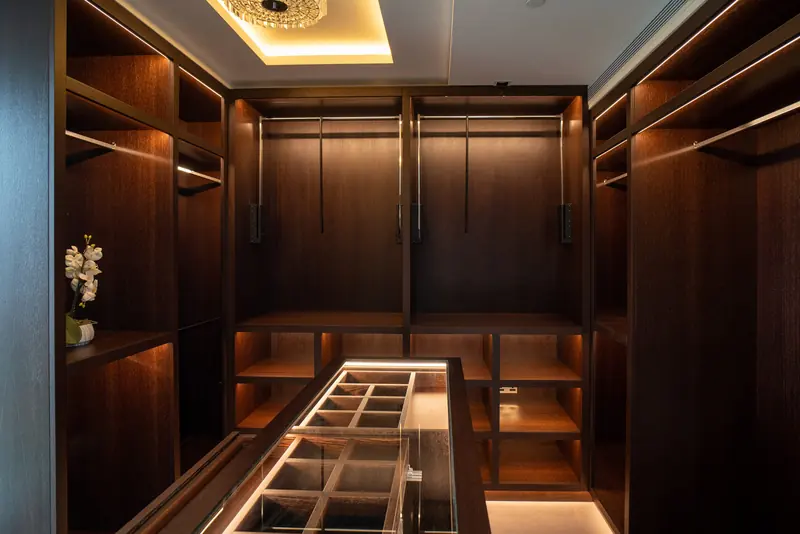
Shops, offices, restaurants, hotels and showrooms need joinery every time they open or refit: reception desks, panelling, display units, bar counters and storage. At Craftex, fit-outs such as the Drakes warehouse in central London need joinery packages. The joinery is one of the most visible parts of the finished space.
How to win it:
- Target the firms that run fit-outs: fit-out contractors, shopfitters, interior designers and main contractors with hospitality or retail clients.
- Lead with your portfolio and your process: drawings in X days, samples, workshop slot, installation in a set number of days.
- Price one package properly (below), deliver on the installation date and ask for the next one.
Worked example: office reception joinery package (example figures)
| Line | Hours | £ |
|---|---|---|
| Shop drawings and revisions to sign-off | 14 | 490 |
| Materials (sheet, veneer, solid timber, ironmongery) | — | 6,200 |
| Workshop making | 96 | 3,360 |
| Finishing | 24 | 840 |
| Delivery and protection | — | 450 |
| Site installation (2 joiners) | 32 | 1,120 |
| Direct cost | 12,460 | |
| Price at a 30% margin floor (÷ 0.70) | 17,800 |
Leave out the drawing hours, finishing and delivery and you would quote about £15,260: £2,540 less on one package.
Agree payment for materials in writing. On fit-out joinery you buy expensive sheet material and veneer weeks before installation. Ask for a payment against materials, or for the client to pay for materials made off site, before you place the order. More on pricing workshop and site time in our joinery profit margin guide.
Want your joinery packages priced from drawing to installation, with materials paid before you cut?
Book a free call.
Site carpentry packages
Main contractors and housebuilders need carpenters on every job: studwork and first fix, door hanging, skirting, architrave and ironmongery, kitchens and staircases on new builds.
- Price by plot or by measured items (doors hung, linear metres of skirting), from your own hours.
- Read the subcontract for snagging visits, contra-charges and retention.
- Show you can supply labour. The most common reason main contractors drop a carpentry subcontractor is not enough carpenters on the day.
For the approach to main contractors, see how to get subcontract work from main contractors.


Public sector work and certified timber
Councils, schools and other public bodies follow the government's Timber Procurement Policy: suppliers must be able to show timber is legal and sustainable. The strongest evidence is certification under FSC, PEFC or Grown in Britain, with an unbroken chain of custody from forest to client.
If your joinery passes through your workshop, you need your own chain of custody certificate to sell it as certified. Get one when public sector or large corporate clients start asking for it.
Want to know which commercial joinery market to go after first?
Book a free strategy call.
Get paid on commercial joinery
- Applications for payment on the dates in the subcontract, with materials on and off site shown.
- Retention Track every amount and release date (retention not released?).
- Variations Layout changes after drawings are signed off are priced and approved in writing before you remake anything.
- Pay less notices Know the rules (received one?).
What this looks like in practice. Chris, a carpenter in our mentorship, went from job to job to £70K+ contracts. He reached £150K projects within 6 months. Individual results, not typical or guaranteed.
At BizMentor, Sviat Jay works through this one-to-one with carpentry and joinery owners. He runs Craftex, a working construction company that buys joinery on its own fit-outs. So he knows what a main contractor needs from a joinery subcontractor.
Owners who don't need one-to-one start in a small group with regular one-to-one calls. The aim is results in about 4 months, not 1–3-year programs. To plan your first commercial joinery contracts, book a free strategy call. To see where your business stands first, take the free 4-minute Construction Business Scorecard.
Regulatory points are general information as of October 2026, for England. Check details with the doorset manufacturer, your certification body and your insurer.
Before you price your first commercial joinery package
- You have chosen one market: site carpentry, fit-out joinery or fire doors
- Your portfolio shows finished commercial work, one page per project
- Drawing, workshop, finishing, delivery and site hours are separate lines
- Materials payment is agreed in writing before you order
- Fire door work follows the doorset's certification, with records of every door