Roofing Business Profit Margins: 5 Steps to Keep More

The short answer
Roofing margin is lost to things you can't see on the day you quote: rain, scaffold time and rotten timber under the covering. Price all three before you start.
- Weather is a cost. In our example one lost day for two roofers is £438. Unpriced, it takes the job from a 30% to a 26% margin.
- Scaffold has a clock. Price the hire period you need, and agree in the quote what each extra week costs and who pays.
- Hidden timber is a provisional sum. Rotten battens, rafters or decking are priced at an agreed rate per m², approved in writing once the covering is off.
- Job-cost pitched and flat roofs separately. In our example the re-roof lost 11 points of margin and the flat roof gained 3.
A roofing business profit margin in the UK is lost on the roof: rain days, extra scaffold weeks and rotten timber. This page shows how to price all three in. Want your numbers checked? Book a free strategy call.
Why roofing margins disappear
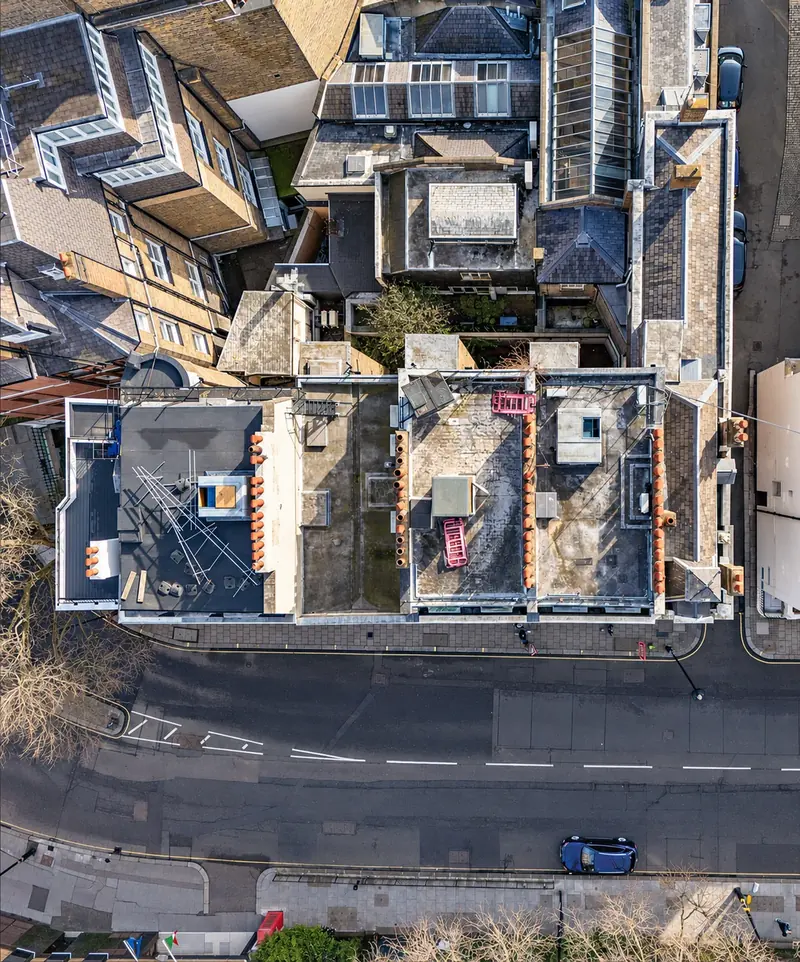
A roofer prices a job from the ground, sometimes from a drone photo. The real job is only visible once the old covering is off.
Most lost margin on roofs comes from four places:
- Weather Days the crew can't work but still gets paid
- Scaffold Hire that runs on after the planned finish
- Hidden timber Rot under tiles, felt or decking
- Waste Skips that turn out bigger than planned
Each one can be priced. Most roofers leave them out to look cheaper.
Pricing properly is easier when the diary is full: see how to get more roofing work and how to get commercial roofing contracts.
Price the weather into hours and programme
Weather days are real. Plan for them in your hours and your programme — don’t donate them to the client.
Worked example: pitched re-roof, two roofers (example figures)
| Item | £ |
|---|---|
| Labour: 2 roofers × 5 days = 80 hours × £27.40 | 2,192 |
| Tiles, membrane, battens, lead | 3,200 |
| Scaffold (subcontract) | 1,400 |
| Skips and waste | 500 |
| Direct cost | 7,292 |
| Price at 30% floor, no weather allowance | 10,417 |
| Weather allowance: 1 day × 2 roofers = 16 h | 438 |
| Price at 30% floor with allowance | 11,043 |
If it rains for a day and you priced £10,417, your cost rises to £7,730 and gross margin drops to about 26%. Two wet days and you are close to working for free.
The £27.40 is the true cost of an employee on £18 an hour once NI, pension and holiday are counted.
Base the allowance on your own records: lost days per job, by month and by roof type.
Which number is costing you most? Take the free 4-minute Construction Business Scorecard: 18 questions on your pipeline, sales, pricing, cash flow and systems, with your weakest area shown first. Need prices built for you? See our estimating service.
Put a clock on the scaffold
Scaffold is often the biggest item you don't control. Treat it as a package with a start and finish date (and if you run your own scaffolding, see how scaffolding firms price hire weeks):
- Price the hire period your programme needs, plus the weather allowance.
- State in the quote what each extra week costs and when it becomes the client's cost.
- Name the reasons that make it the client's cost: late decisions, other trades, access delays.
- Get the scaffold struck as soon as you're done — every idle week is margin.
A scaffold that stays up because the client's other trades are late is a variation. Write it down the day it happens.
Want your weather and scaffold allowances worked out from your own jobs?
Book a free call.
Turn hidden timber into provisional sums
You can't price what you can't see. You can price how you'll charge for it.
- Put a provisional sum or a rate per m² for replacement decking, and per metre for battens or rafters, in the quote.
- When the covering is off, photograph, measure and send the client the cost the same day.
- Start the repair only after a written yes.
The same applies to extra lead, flashings or chimney work the client asks for on the day. It also covers skips that turn out bigger than planned. Put the procedure in your contract, not just the quote: see what a contractor-friendly contract for private clients covers.
Replacing rotten rafters "because it has to be done" and raising it at the final invoice. Without a written approval, you are negotiating after the money is spent.

UK Roofing Profitability Playbook
Get the free guideCheck building regulations before you quote
Regulations change what a re-roof costs. Check them before you price, not after.
- Approval. One council's guidance says re-roofing 50% or more of the roof area, or changing insulation or ventilation, generally needs building regulations approval. Rules and thresholds can vary, so confirm with your building control body.
- Insulation. When a roof is re-decked and re-covered, the insulation must be upgraded. On flat roofs that is material and labour.
- Self-certification. Members of the NFRC's Competent Roofer scheme can self-certify their own work. Others pay building control, and that fee belongs in the quote.
- Work at height. The law requires measures to prevent falls. Edge protection, towers and safe access are part of the job's cost.
Installing roof insulation in homes is zero-rated for VAT until 31 March 2027, so show the VAT treatment on the quote.
Job-cost pitched and flat roofs separately
| Job | Type | Price | Quoted GP | Actual GP |
|---|---|---|---|---|
| Example A | Re-roof | £8,571 | 30% | 19% |
| Example B | Flat roof | £2,400 | 35% | 38% |
The re-roof lost 11 points — usually weather, extra timber or unpriced extras. The flat roof beat its target.
Track on every roof: budgeted vs actual hours by stage (strip, prepare, cover, make good). Add weather days lost, scaffold weeks and timber found, and whether it was approved. After ten roofs you'll know your real weather allowance and which roof types to push. Want help setting this up? Book a free strategy call.
Small repairs need a minimum charge. Access, travel and setting up take the same time whether the repair is one slipped tile or ten.

Get the free PDF guide
14 pages. Sent to your inbox in 2 minutes.
Want to see which roof types make you money?
Book a free strategy call and bring your last three jobs.
Before you send your next roofing quote
Regulatory and tax points are general information as of October 2026. Check the details with your building control body and accountant.
Before you go
- Weather allowance is in the hours and the programme
- Scaffold period and extra-week cost are written in the quote
- Hidden timber has a provisional sum or rate per m²
- Building regs approval or self-certification is checked and priced
- Last three roofs were job-costed by stage