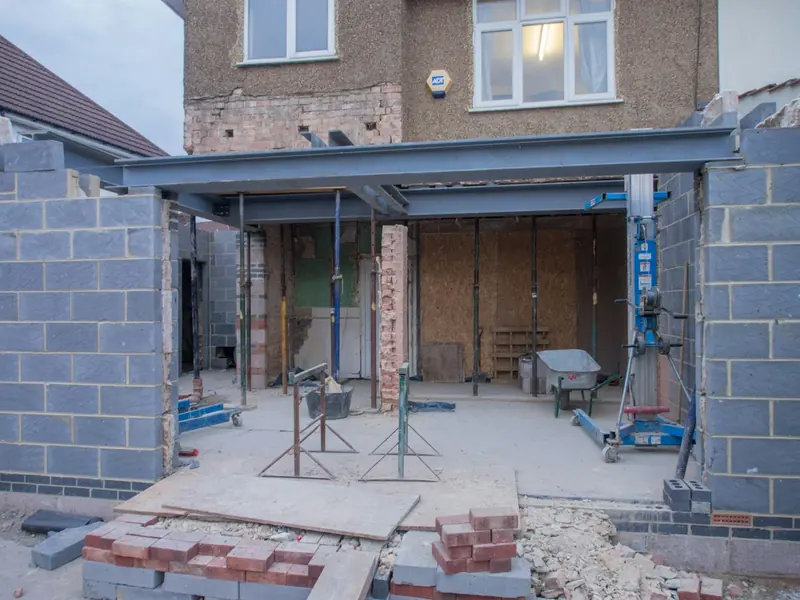
Unforeseen Works: Who Pays, the Builder or the Client?

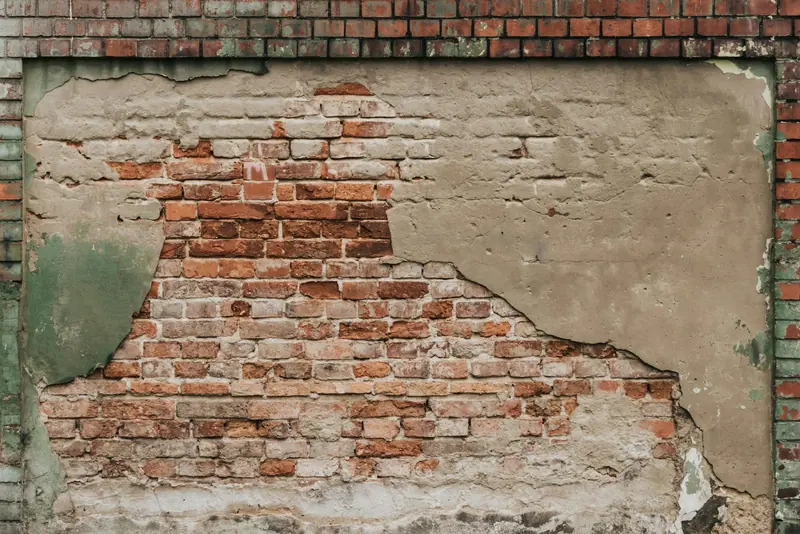
The short answer
Your contract decides who pays for unforeseen works. If it says nothing, the risk of what's hidden on site usually sits with the builder. Exclusions, provisional sums and a written unforeseen-works clause move it to the client.
- The contract decides. If it's silent, the risk of hidden site conditions usually stays with whoever does the work: you.
- A fixed quote is a promise. You can only charge more for extra work the client agreed to pay for, so get that agreement before you do it.
- Stop, photograph, tell, price. The same day you find it: record it, tell the client in writing and get an instruction before you carry on.
- Fix it in the next quote. Exclusions, provisional sums and a clause saying hidden defects are extra turn a fight into a variation.
You lift the kitchen floor and the joists are rotten. You dig the footings and hit an old drain nobody knew about. (If the digging has damaged next door, read damaged a neighbour's property during building work.) The quote is signed, the price is fixed and the client is standing behind you asking how long it'll take.
So who pays for unforeseen works? The short answer: whatever your contract says, and if it says nothing, usually you. Below: where you stand, what to do today, and how to price the next job so it never hits your margin. To go through yours with our team, book a free strategy call.
This is general information from a contractor's experience, not legal advice. For a large sum, speak to a construction solicitor.
Who pays depends on the contract
Start with the paperwork, not the argument. When a contract is silent, the risk of hidden site conditions generally stays with the party doing the work. The client gives no promise about what's under the floor.
That's the default. Your quote and contract can change it. Here's how each common set-up usually works:
| What you signed | Who usually pays for the hidden problem |
|---|---|
| Fixed-price quote, nothing about hidden work | You, unless the client agrees to pay for extra work |
| Quote with exclusions ("excludes rot, asbestos, drainage") | The client: excluded work is outside your scope, so it's a variation |
| Provisional sum for the unknown item | The client: the sum is adjusted to the real cost |
| Contingency inside your price | You: it comes out of your contingency first |
| FMB domestic contract | Usually the client: unexpected work is priced as a change |
| JCT form, unamended | Often you, unless the risk is named in the contract |
| Day rates / cost-plus | The client: you're paid for the time it takes |
The FMB domestic contract is the clearest example of a client-pays set-up. It says the builder must tell the client about unexpected work, such as unsuitable foundations, and ask how to proceed. The extra cost is then agreed as a change.
Standard JCT forms are less generous. A law firm's review of the 2024 design and build form found site risk typically falls on the contractor. The exception is a risk the contract names.
Problems like this usually trace back to pricing and contracts. Take the free 4-minute Construction Business Scorecard: 18 questions on your pipeline, sales, pricing, cash flow and systems, with your weakest area shown first.
What a fixed quote means with a homeowner
A quote is a promise to do the work at the agreed price. Citizens Advice tells homeowners a builder can't charge more than the quote, unless there's a good reason. The reason it gives: extra work the client agreed to pay for.
So the client's agreement is what turns your cost into their cost. Without it, you're arguing after the fact. Three more rules matter on domestic jobs:
- Your costs going up isn't a reason. If materials rose since you quoted, that's your risk on a fixed quote. Our guide on material prices going up after you quoted covers what you can do.
- An estimate is different. With an estimate, the final price has to be reasonable. The law doesn't define reasonable, so expect an argument.
- No price at all means "reasonable". If extra work goes ahead with no price agreed, the client must pay a reasonable price, and no more (Consumer Rights Act 2015, section 51).
One more thing. The Construction Act's payment and suspension rights don't apply to work for a homeowner in their own home. With a homeowner, your contract is all you have.
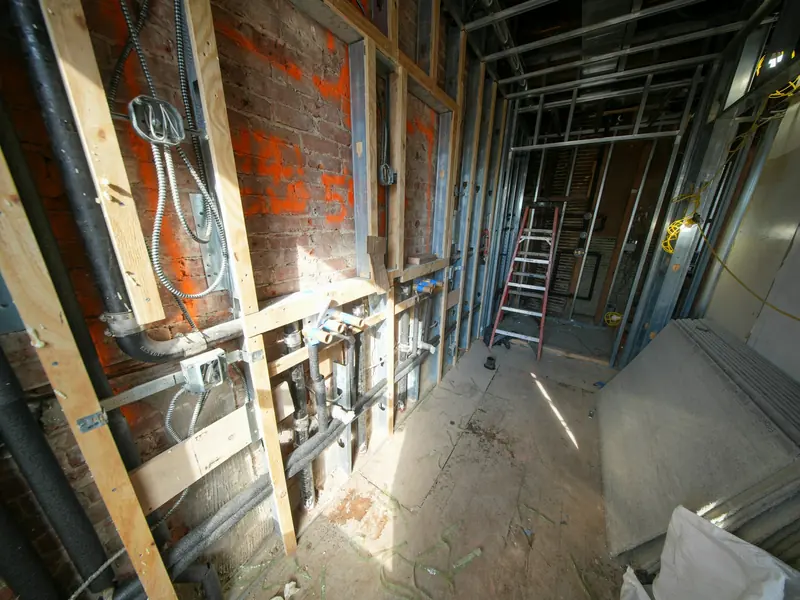
Opened up a job and found something nobody priced?
Book a free call with our team. We'll go through your quote, your contract and what to send the client today.
What to do the day you find it
Most builders lose money on unforeseen works in the first 24 hours. They carry on to keep the job moving and talk about money later. By then the work is hidden again and the client says nobody told them.
Do these five things the same day:
- Stop that part of the work. Not the whole site, unless it's unsafe. Move the team to something else.
- Photograph and measure it. Dated photos, a tape in shot, a short video. This is your evidence.
- Tell the client in writing. What you found, why it wasn't visible when you quoted, and that it isn't in the price.
- Give options with prices. Fix it now at £x, a cheaper fix at £y, or leave it with the risk explained.
- Get a written instruction. A reply to your message saying "go ahead with option 1" is enough to start.
Here's a message you can adapt:
Subject: [Address] — unforeseen work found [date]
Today, when we [lifted the floor / dug the footings], we found [what]. This wasn't visible when we priced the job and isn't included in our quote of [date]. Photos attached. Options: (1) [fix] — £[x] + VAT, adds [n] days; (2) [alternative] — £[y] + VAT, adds [n] days. We've paused this part of the work. Please reply to confirm which option you'd like, and we'll carry on as soon as we hear from you.
Doing the extra work first and sending the bill at the end. The client sees a bigger number with no warning and no choice. That's how a £1,200 fix turns into a £1,200 dispute and a bad review.
Found something mid-job and the client won't agree to pay?
Book a free call and we'll look at your quote and what to send them.
If the client refuses to pay for it
First check the paperwork again. Was the item excluded, or under a provisional sum? Then you're asking for a variation, not a favour. Point the client to the line in the quote, calmly and in writing.
If the quote said nothing and the price was fixed, you have a weaker hand. You still have options:
- Show it wasn't visible. Your photos and the survey or drawings the client gave you. If they described the site wrongly, that's their information, not your guess.
- Offer a split. On a borderline item, sharing the cost is often cheaper than losing a week and the relationship.
- Agree a reasonable price. If they agree to the work but not your number, price it from your own rates in the quote. That's how the FMB contract values changes too.
- Don't do it for free by default. Do the work only once it's agreed in writing, even if that means a pause.
Never walk off a homeowner's job over a disputed extra without advice. If it's heading that way, read what to do when a client wants to sack you first. For how to price and get paid for agreed changes, see our guide to getting paid for variations.
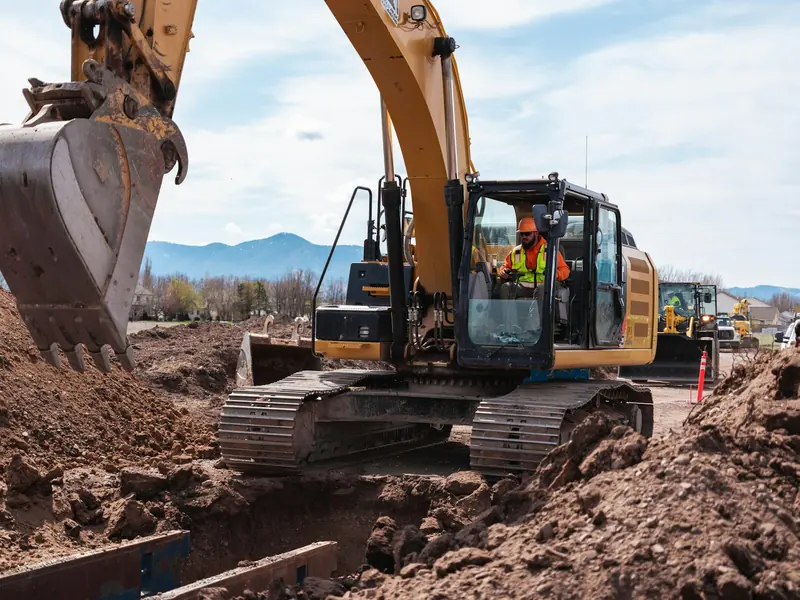
Price it into the next quote
The real fix happens before the job starts. Every unknown should be on the quote as somebody's risk, in writing. These are the lines we'd put in:
| Unknown | How to put it in the quote |
|---|---|
| Things you can't see until it's opened up | Exclusion: "Hidden defects (rot, drainage, wiring, asbestos) found once opened up are extra" |
| Work you can't measure yet | Provisional sum, e.g. "Drainage repairs: provisional £1,500, adjusted to actual cost" |
| General unknowns on an old building | Contingency, often 5–10% on refurbishments, stated in the quote |
| Client-chosen items | Allowances, e.g. "Tiles: £35/m² supply allowance" |
| How extras are priced | Day rates and markup written in, so "reasonable" is already agreed |
Then add an unforeseen-works clause to your contract. You tell the client the same day and give options with prices. Extra work needs their written instruction.
That's one reason Sviat Jay, who runs Craftex as a London main contractor, advises owners to use their own contract with private clients. See JCT vs a bespoke contract for private clients for the clauses.
The money you lose on hidden problems usually isn't in the problem. It's in the quote that never named it. Our list of hidden costs builders forget to price shows the rest.

The Builder's Pricing Playbook
Allowances, provisional sums, contingency and the quote layout we use, so hidden problems are priced before you start.
Get the free guideWhy this keeps happening to growing firms
Unforeseen works aren't bad luck. They're a sign that pricing and contracts still live in the owner's head. At £300K you absorb it. At £1M, on bigger refurbishments, one rotten floor can take the profit from the whole job.
At Craftex, the commercial team runs change control: every extra is written down, priced and agreed before the work. Our commercial management service sets that up for other contractors.
BizMentor goes further. Sviat mentors owners one-to-one and rebuilds how they quote, contract and get paid, built for results in about 4 months. If hidden problems keep eating your margin, book a free strategy call.
This is general information on the position in England and Wales as of October 2026, not legal advice.
Before you send the next quote
- Hidden defects are listed as an exclusion
- Unknown items carry a provisional sum
- Old buildings carry a stated contingency
- Day rates for extras are written into the quote
- Your contract says extras need a written instruction first